Winter in South Africa is not one thing. A Cape Town winter is wet, windy, and damp, while a Highveld winter is dry, bright, and frosty. Limpopo winters stay gentle in the afternoons but turn surprisingly cold in the mornings.
For our dogs, that variety means the winter care plan in Jozi looks very different to the one in Stellenbosch or Polokwane. Where you live shapes what you should prioritise. Owners who copy a northern-hemisphere routine often get it wrong.
This winter dog care guide for South Africa breaks things down by region and by practical concern. It covers warmth, joint care for older dogs, dry skin, exercise in cold weather, kennel comfort, and the small routine shifts that make a big difference. Your dog does not complain when the weather turns, so it falls to you to notice and adjust.
Winter dog care in South Africa by region
Cape winter
The Western Cape gets cold, wet, and windy from June through August. Rain is the bigger issue than temperature, since damp coats and muddy paws invite skin issues. Towels by the door, waterproof coats for short-haired dogs, and a dry, warm sleeping spot indoors all become more important.
Highveld winter
Joburg and Pretoria winters are dry, bright, and crisp during the day, but overnight temperatures can dip below freezing. Outdoor dogs need insulated kennels with raised beds off the ground. Older dogs feel the cold more than younger ones, so adjust bedding for them first.
Limpopo and Mpumalanga winter
These areas stay mild most of the day, but early mornings and late evenings surprise newcomers with their chill. A light coat for a short walk and an extra blanket on the bed usually does the trick. The bigger challenge is the dry air.
Keeping dogs warm in South African winter
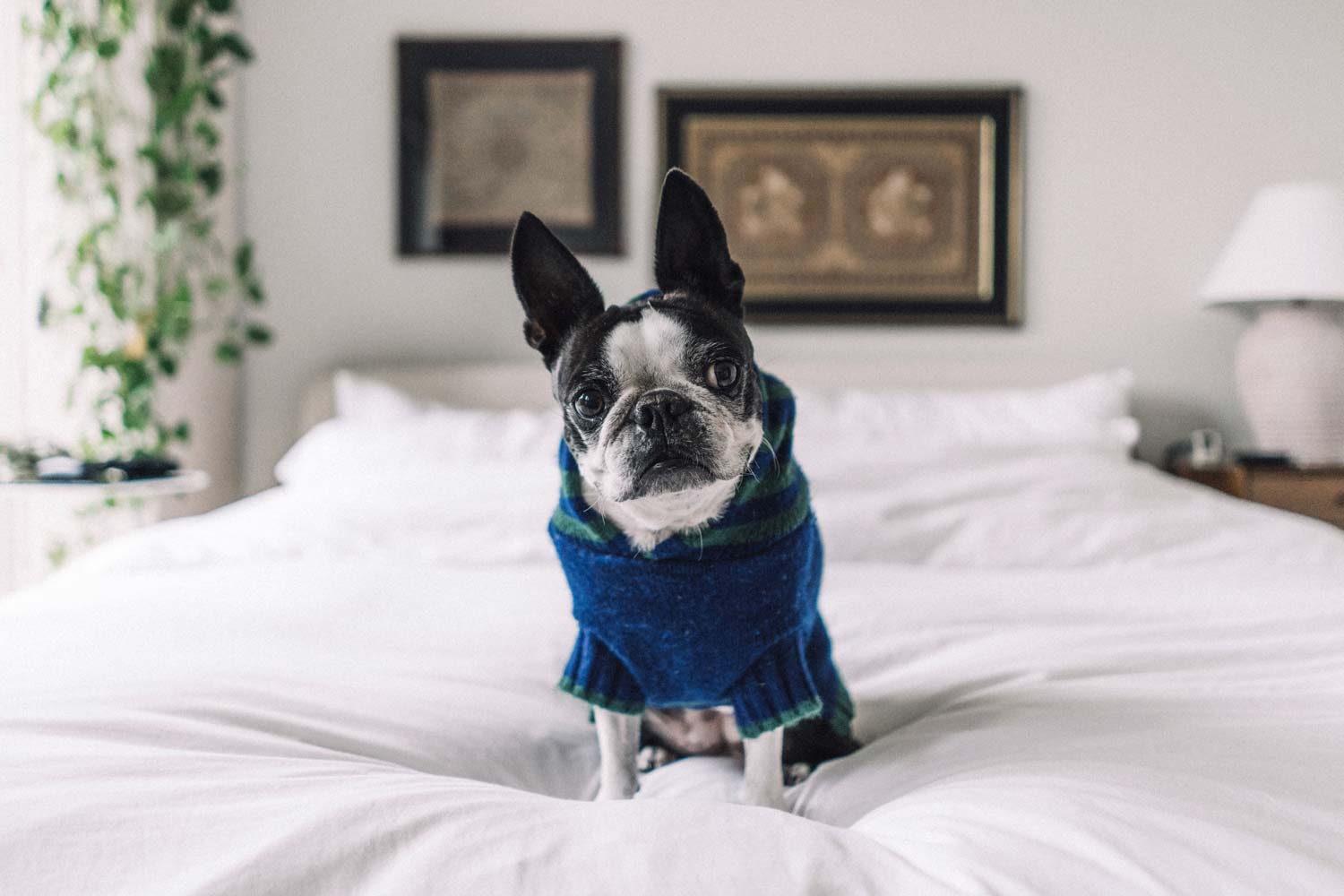
Not every dog needs a jumper. Double-coated breeds like Huskies, Collies, and Alsatians are built for cold and often prefer it to summer. Short-coated or hairless dogs like Greyhounds, Frenchies, Staffies, and Chihuahuas feel the cold much more and benefit from a well-fitted jacket.
Look for dog coats that fit well around the chest, do not restrict leg movement, and cover the belly. Waterproof outer layers make sense in the Cape. Warm fleece or padded jackets suit the Highveld. Always dry a wet coat thoroughly before the next wear.
Indoor warmth matters too. Raise sleeping beds off tile floors, add blankets or thermal pet pads, and draw curtains at night to keep heat in. Load shedding makes heaters unreliable, so layer bedding instead of depending on electricity.
Winter dog care for seniors and joint issues
Older dogs feel the cold in their joints. Arthritis, old injuries, and general stiffness all flare up in winter. Warmth is the first line of defence, and a good thick bed in a draught-free spot helps more than any supplement.
Talk to your vet about joint supplements like glucosamine, chondroitin, and omega-3 oils. For dogs already on anti-inflammatory medication, winter might be the time to review the dosage and timing with your vet. Gentle, regular walks beat intense weekend sessions for older dogs in cold weather.
Watch for warning signs like slow rising from rest, reluctance to jump, a shortened stride, or mood changes. Early pain management preserves quality of life better than late intervention.
Dry skin and grooming in winter dog care
Dry South African winters often cause flaky skin and dandruff. Central heating in homes dries the air further. A humidifier in the room where your dog sleeps is a simple fix, and it helps the humans too.
Brush regularly to distribute natural oils through the coat. Reduce the frequency of shampooing in winter, since frequent bathing strips natural oils. Use a gentle, moisturising pet shampoo when you do bathe your dog, and always rinse thoroughly.
Omega-3 supplements in food can help skin from the inside out. Small amounts of oily fish like pilchards, sardines, or a pet-formulated fish oil can make a visible difference within a few weeks. Ask your vet for dosing guidance before adding anything new.
Exercise adjustments in winter dog care
Shorter daylight hours shift walking routines. Head out later in the morning when the frost has lifted, and wrap up earlier in the evening before the chill sets in. Reflective gear helps during darker walks.
Cold muscles need warming up. For active dogs, a slow start at the beginning of a walk reduces the risk of strains. For older dogs, keep sessions shorter and more frequent rather than long and demanding.
Indoor enrichment becomes more valuable in winter. Puzzle feeders, snuffle mats, and short training sessions burn off mental energy when the weather is not cooperating. A tired mind is as restful as a tired body.
Outdoor kennels and winter dog care for yard dogs
Yard dogs need purpose-built winter setups. Kennels should be elevated off cold ground, positioned out of prevailing winds, and lined with insulating material. Straw or a thick fleece pad beat blankets, which get wet and stay wet.
Check the kennel regularly for damp, draughts, and structural issues. A small porch or flap over the entrance blocks wind while still allowing easy access. Fresh water must never freeze in colder regions, so check bowls multiple times a day.
Consider bringing senior or short-coated dogs indoors on the coldest nights. Many SA families already do, and their dogs live longer, healthier lives for it. A small corner in the kitchen or laundry works for dogs that are not used to the lounge.
Puppies and winter dog care
Young puppies cannot regulate their body temperature as well as adult dogs. A warm, draught-free sleeping area is essential, and first winter nights are not the time to move them out to a kennel. Indoor crate training makes winter puppyhood much easier.
Short, frequent outdoor sessions for toilet training work better than long walks in cold weather. Dry paws and belly when they come in. Wet fur against cold air drops body temperature fast in small dogs.
Socialisation still matters in winter. Wrap up puppy and human, and take short trips to calm, dog-friendly venues to keep the socialisation window open. Missing those weeks leads to more behavioural work later.
Winter dog care and the kitchen
Appetite can increase in colder weather, especially for outdoor dogs burning more calories to stay warm. A small bump in portion size is often fine, but consult your vet before making big changes. Obesity is still the most common preventable health issue in SA dogs.
Warmer meals go down well on cold days. A little warm water over dry kibble, or a gently warmed portion of wet food, feels more appealing when noses are chilly. Never serve food straight from a hot cooker, since burns happen more easily than owners realise.

The Last Bark
Winter care is really about small adjustments rather than dramatic overhauls, and the best owners think one season ahead rather than reacting when the cold front arrives. If you are considering a winter coat or a cosy jumper, our dog clothes guide covers what to look for and what to avoid, and our dog beds guide breaks down the right bed choices for cold months and arthritic joints.
For winter grooming, our guide to the best dog grooming kit in SA covers what you need at home, and for owners bringing a puppy through a first winter, our new puppy checklist for South Africa is a useful companion read.